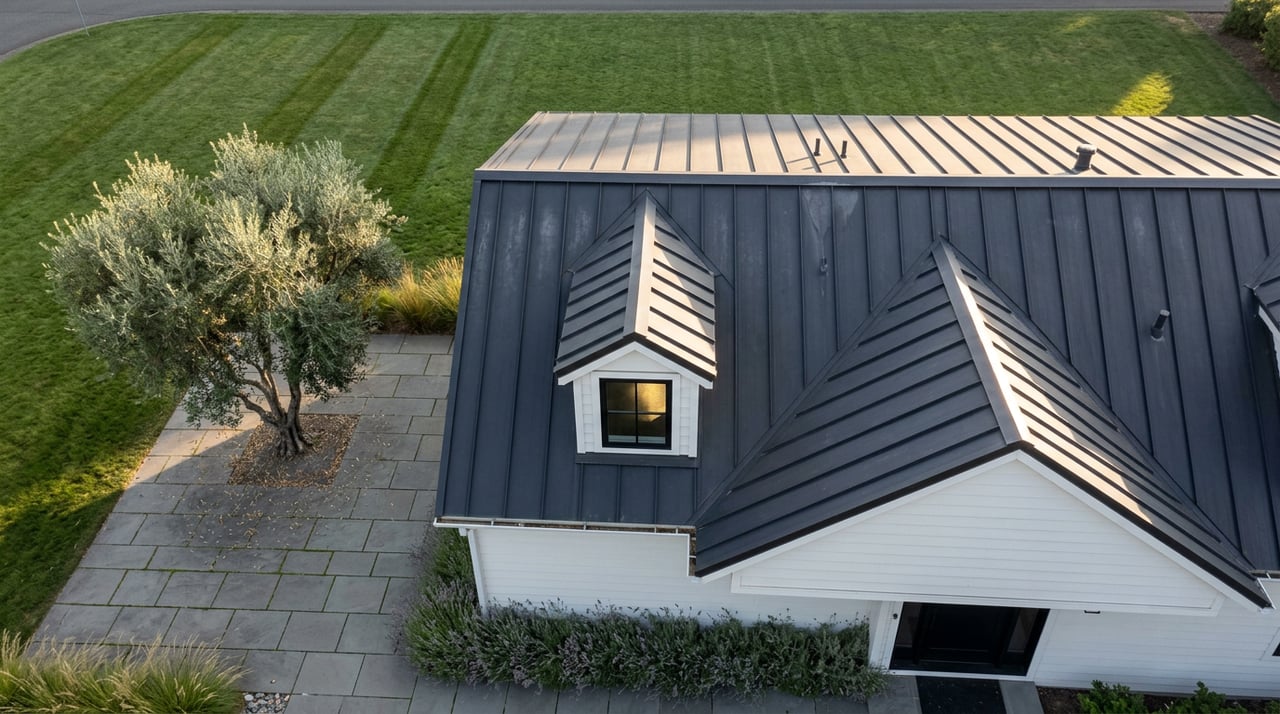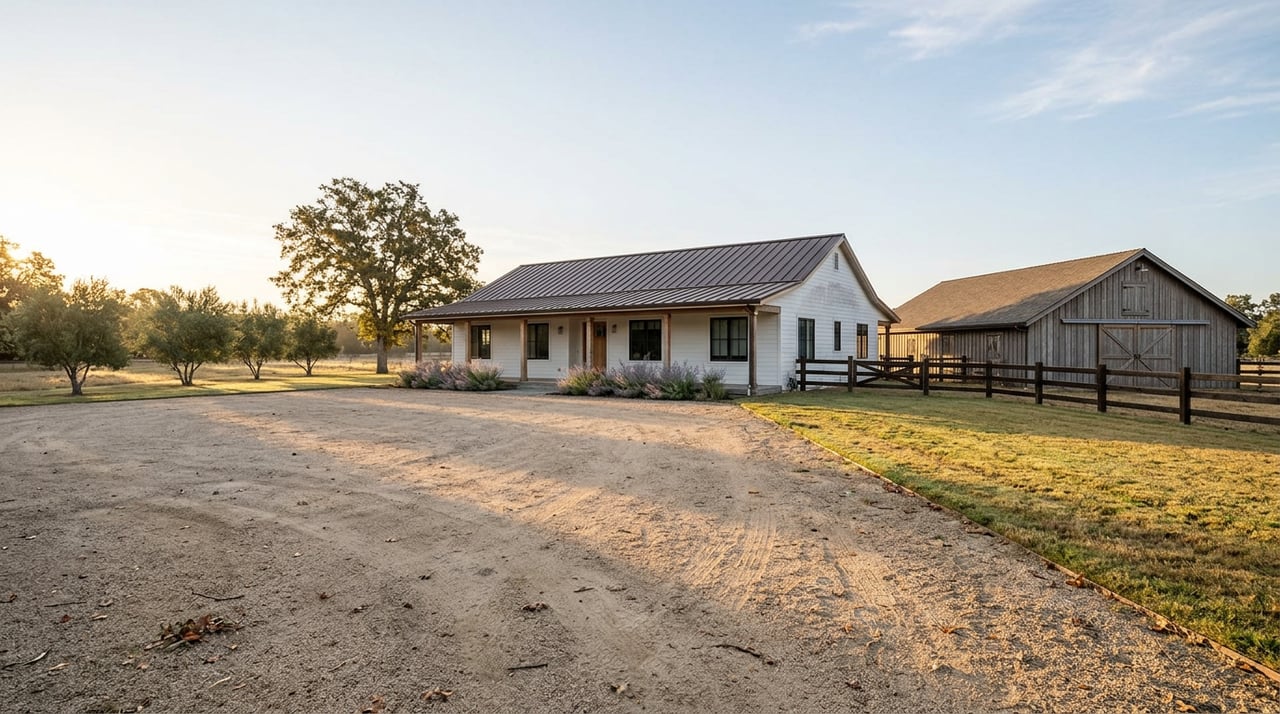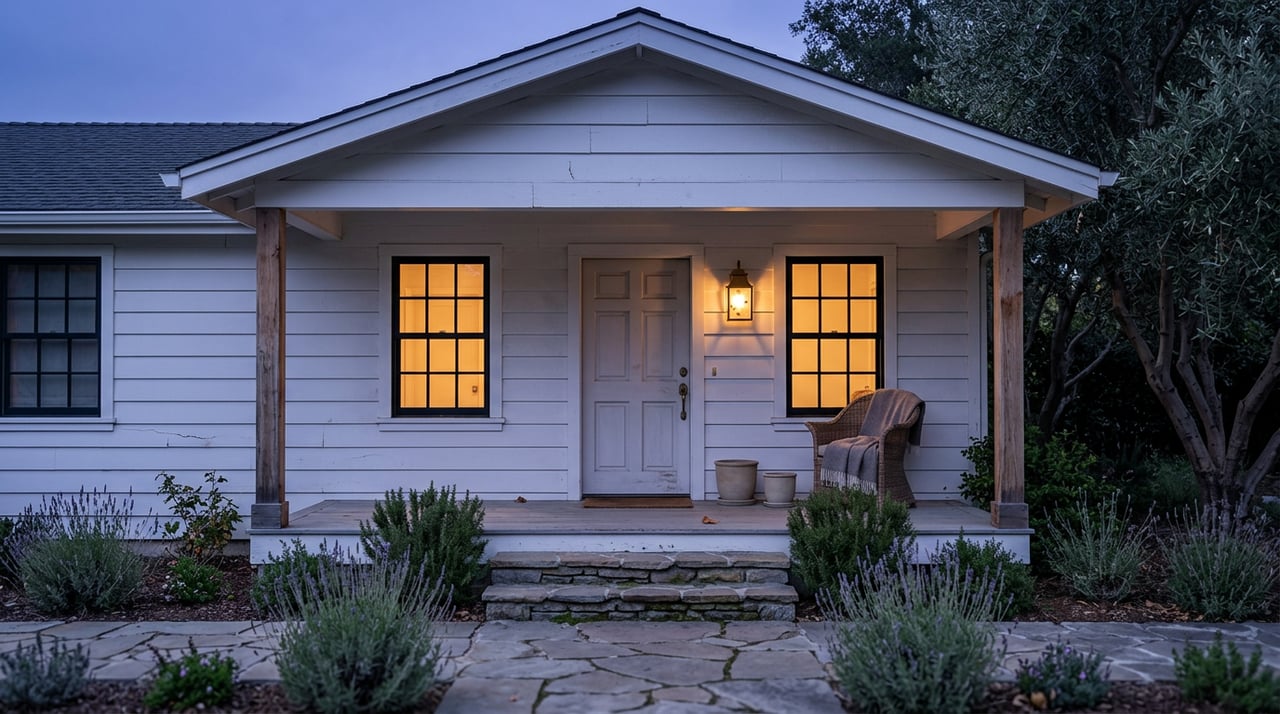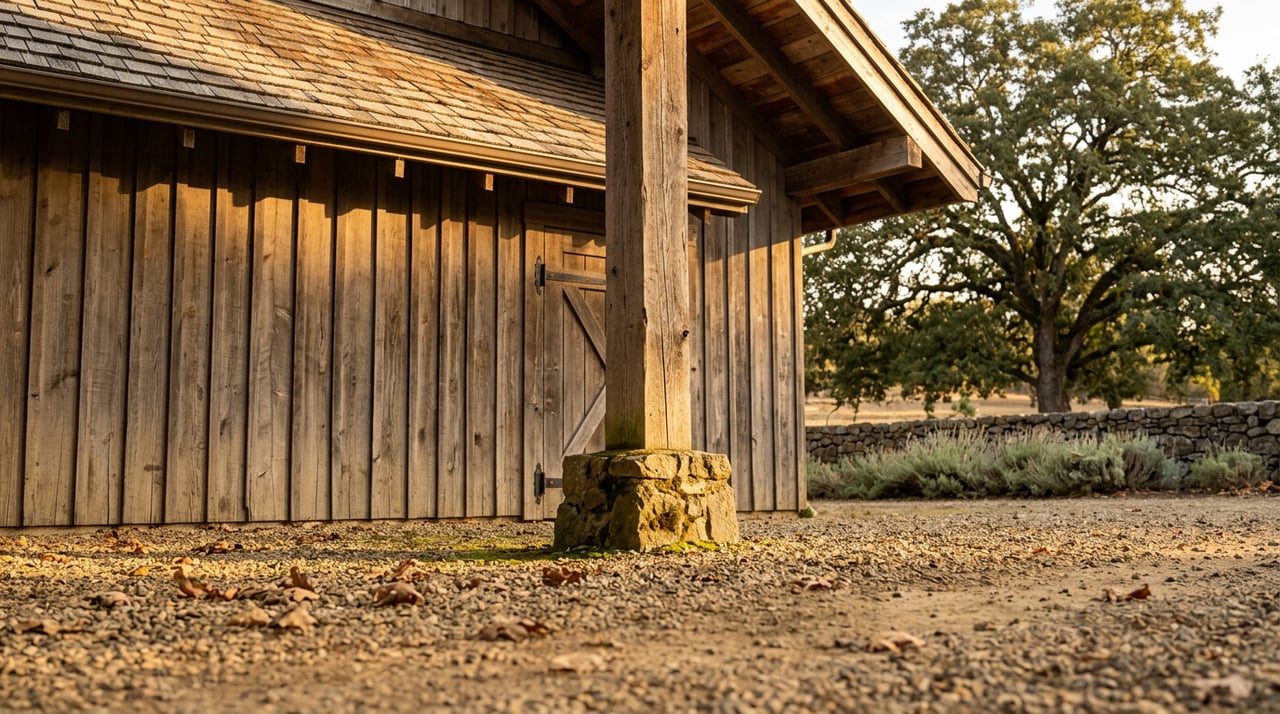
You would expect it to work the other way. A $1.76 million ranch listing should sit longer than a $2.6 million equestrian estate with a barn, an arena, and a name like Woodstock Ranch or Oak Trail Estates attached to it. More amenities, more buyers, faster sale. That is how it works almost everywhere else in real estate.
In Santa Ynez right now, it does not. As of late August 2026, ranch-tagged listings on the market carry a median price near $1.76 million and typically go under contract in about 68 days. Equestrian-tagged listings, the ones marketed specifically as horse properties, carry a median closer to $2.6 million and are taking around 123 days to sell. Nearly double the price. Nearly double the time. That gap is not a taste problem. It is a water problem, and it started with a rule change most buyers never hear about until they are already in escrow.
The Math That Doesn't Add Up
Price and speed are supposed to move together in opposite directions, not the same one. When a category of property costs more and moves slower at the same time, something in the transaction itself is taking longer to resolve than the negotiation over price. In the Santa Ynez Valley, that something is almost always water. Buyers who are serious about an equestrian property are not just touring a barn and signing an offer. They are quietly trying to answer a question the listing photos cannot answer: is the water this property has today the water it will have five years from now, or is it borrowed against a system that no longer lets you top it off.
The Rule That Changed In March 2022
For most of the Valley's history, adding a well was administrative. You applied, a technician checked the basics, and Santa Barbara County's Environmental Health Services issued a permit over the counter. That changed after a March 2022 executive order from Governor Gavin Newsom required counties to get sign-off from the local groundwater sustainability agency before approving new wells in medium and high priority basins. The Santa Ynez River Valley Groundwater Basin is one of the state's designated medium-priority basins, which put it squarely inside the new rule.
Santa Barbara County responded with an urgency ordinance that requires a licensed hydrogeologist to confirm a new well will not draw down a neighboring one before the county will issue a permit. There is a carve-out: individual domestic wells pumping less than 2 acre-feet of water a year are exempt from the added review. That threshold covers a household and a modest garden without much trouble. It gets tighter fast once you add irrigated pasture, a second barn with wash racks, or a guest house with its own kitchen. What used to be a same-week fix is now a process with a hydrogeologist, a technical filing, and a groundwater agency's opinion sitting between you and more water.
Three Agencies Governing One Underground Basin
The basin itself is split into three management areas, each with its own Groundwater Sustainability Agency: Eastern, Central, and Western. The Central Management Area is a joint effort between the Santa Ynez River Water Conservation District, the City of Buellton, and the Santa Barbara County Water Agency. The Eastern Management Area folds in the City of Solvang alongside the same District and County Water Agency. Depending on where a parcel sits, a different agency has jurisdiction over what happens to any new well on it, and the answer is not always obvious from the address alone.
This is not a paperwork exercise from a few years ago that has since quieted down. The three agencies were still actively working the basin this summer: a bid deadline for new monitoring wells and piezometers closed August 14, 2026, and the district's fiscal year 2026-27 rate study was released for public review in May 2026. The system that governs how much water a ranch can pull, and how hard it is to get more, is being actively managed and adjusted right now.
The Premium Is A Bet On Someone Else's Paperwork
Here is where the pricing gap starts to make sense. As of late August 2026, land listings near Santa Ynez show horse properties averaging roughly $144,000 per acre, compared to about $120,000 per acre for ranch land without the equestrian designation. Buyers are clearly willing to pay more for a property that already functions as a horse operation. But that premium only holds up if the water and the barn infrastructure behind it are real, permitted, and documented, not aspirational.
The clearest illustration is a sale the Santa Barbara Independent covered in February 2023: a 9.78-acre equestrian property on Calzada Avenue in Santa Ynez, fully built out with a six-stall barn, five grass pastures, a covered arena, and a second dressage arena, sold for what local agents called the highest price to date for a home on under 10 acres in the Valley. The buyer, according to the agent quoted in that coverage, was a horse owner who recognized what the property already delivered. Nobody had to imagine the water supply working. It already was.
That is the trade a buyer is making every time they pay the equestrian premium instead of the ranch-land price. They are betting that the seller's well was registered correctly, that the barn's electrical was permitted and finaled, and that nothing about the property's current setup depends on a well that cannot legally be replaced or expanded under today's rules.
What Actually Slows These Deals Down
None of this shows up in listing photos, which is exactly the problem. A local home inspector who specializes in Santa Ynez Valley ranch and estate properties, Coastal Shield Inspections, has described finding a well pressure tank with a failed bladder that was short-cycling the pump, a leach field showing surface saturation, and a barn sub-panel that had never been properly bonded, all on a single recent inspection. Findings like that do not kill a deal. They extend it, while buyers get quotes, negotiate credits, or decide whether a fix is worth the delay. Multiply that across enough equestrian transactions in a valley where wells and septic systems, not municipal hookups, carry the load, and a 55-day gap in typical marketing time between ranch listings and equestrian listings stops looking like a coincidence.
There is a second layer buyers rarely think about until later: well registration. Filing water production records with the Santa Ynez River Water Conservation District matters because, in the event the basin is ever formally adjudicated, that registration history can support a legal claim to the water a well has actually been pumping. An unregistered well is not just a paperwork gap. It is a weaker position to argue from if water rights in the basin are ever litigated and divided.
What This Means Before You Write An Offer
A few due-diligence steps are specific to this Valley and worth doing before, not after, you are locked into a purchase agreement.
- Ask which of the three management areas, Eastern, Central, or Western, governs the parcel, since the answer changes who has to sign off on any future well work.
- Request the well's registration status and production history directly from the Santa Ynez River Water Conservation District rather than taking the seller's word for it.
- Get well yield and water quality testing done during your inspection period, not after close.
- Confirm whether the existing well use falls under the 2 acre-foot domestic exemption or whether any past expansion required, and received, formal review.
- Hire an inspector who regularly works ranch and equestrian properties in this Valley rather than a general home inspector, since pressure tanks, septic leach fields, and barn electrical are where the real cost surprises live.
A Couple of Questions That Come Up Often
Can I just drill a second well if the property needs more water for horses or pasture? Not the way it used to work. If the new well falls outside the 2 acre-foot domestic exemption, the relevant groundwater sustainability agency has to review it and a licensed hydrogeologist has to confirm it will not affect nearby wells before the county will issue a permit. Budget for time and a technical review, not a quick trip to the counter.
Does a documented water history actually affect what a property is worth? It affects how fast it sells and how much friction a buyer's lender or inspector encounters along the way, which shows up in the numbers as longer marketing periods for equestrian-tagged listings. A well with a clean registration and yield record is a simpler, faster transaction than one where those answers have to be reconstructed after the fact.
If you are weighing a ranch or equestrian property in the Santa Ynez Valley, or wondering what your current property's water history means for its value, Dianna Zlaket has spent nearly two decades working these specifics, from which management area governs a parcel to what a barn's permit history is worth at the table. Request a Free Home Valuation to start the conversation with someone who already knows which questions this Valley actually asks.