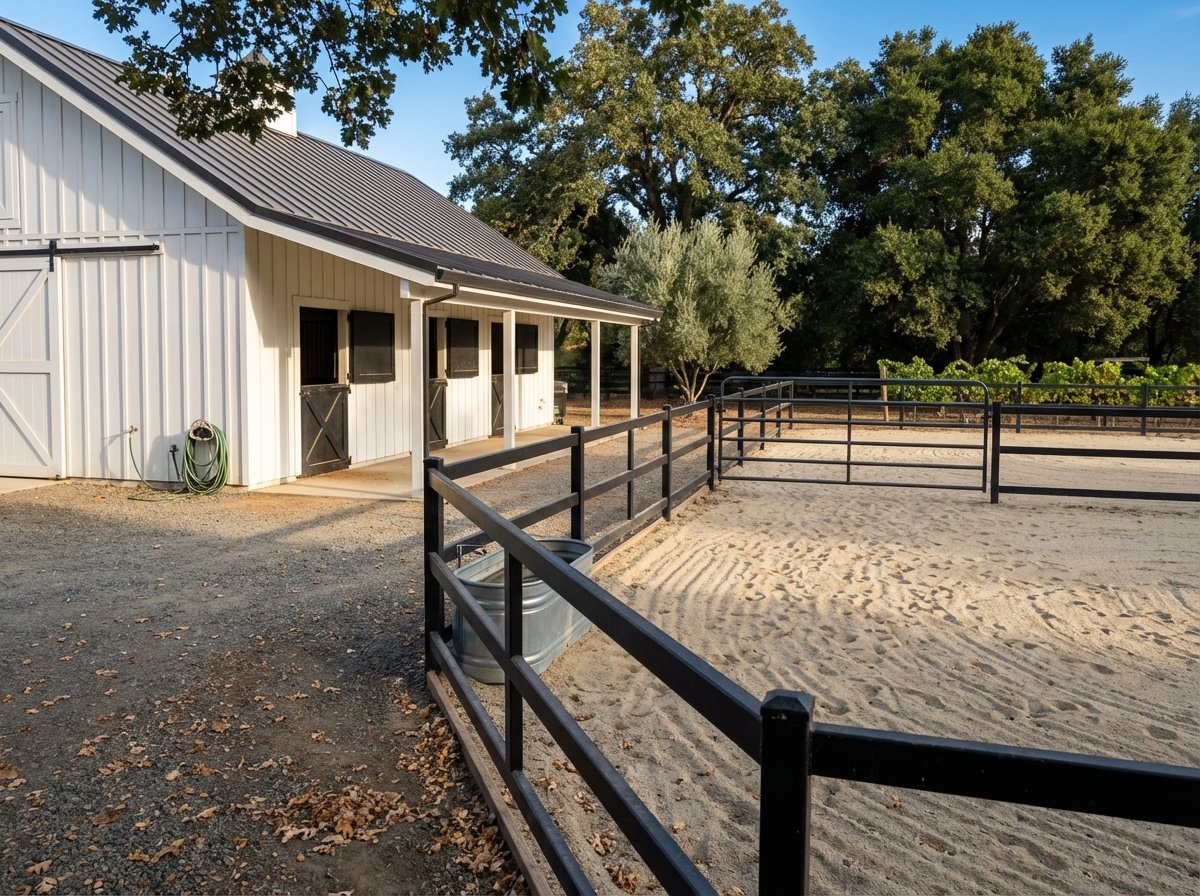
Picture morning light on rolling hills, a soft nicker from the barn, and a quick ride before lunch in wine country. If you love horses, the Santa Ynez Valley offers a daily rhythm that blends ranch life with upscale comforts. In this guide, you’ll learn the equestrian home types you’ll find here, the barn and arena basics most buyers ask about, where to ride and train, and the key due diligence that protects your purchase. Let’s dive in.
Why Santa Ynez is horse country
Santa Ynez is a long-established equestrian hub with hobby ranches, training farms, and high-performance facilities. The region supports owners with veterinary care, clinics, events, and feed services. The presence of a major referral hospital, Alamo Pintado Equine Medical Center, is a strong local advantage for horse owners.
The valley’s Mediterranean climate, open pastures, and rural zoning make horse-keeping common alongside vineyards and ranches. Land use and permitting vary by parcel and zone, so it’s smart to confirm allowed uses, minimum parcel sizes, and any discretionary permits with Santa Barbara County’s planning resources before you buy.
Equestrian home types in Santa Ynez
1–5 acres: Small hobby ranch
A small hobby ranch, often called a “ranchette,” typically serves one household with a few horses. You’ll often see a compact barn or run-in sheds, a round pen or small outdoor arena, and fenced paddocks. These properties are ideal if you want to keep daily care simple and stay close to town conveniences.
5–20 acres: Mid-size ranchette
On 5–20 acres, you can expect a 4–8 stall barn or a center-aisle barn, an outdoor arena for regular schooling, and multiple paddocks. Many owners add hay storage, an equipment shed, and a larger round pen. This scale works well for riders who want on-site training and room to host small clinics.
20+ acres: Equestrian estate or private training farm
Estate-level properties often include an 8+ stall stable, one or more arenas, irrigated pastures, hot walker or covered round pen, substantial hay storage, and sometimes a manager or guest house. The valley also includes legacy ranches in the 100+ acre class. A turn-key 20-acre facility like Fairfield Farm is a good example of this scale and setup.
Barn, arena, and pasture basics
Stall and barn essentials
For most light-breed horses, a 12 ft by 12 ft stall is a common standard. Larger breeds or mares with foals may need bigger stalls, and aisles of about 10–12 ft support safe movement and equipment access. Valley barns frequently feature a tack room, feed room or hay loft, wash rack, and easy delivery access. Larger facilities may add a veterinary or foaling stall and staff quarters. For detailed barn design or retrofits, consult licensed equine and building professionals.
Arena sizes and options
You’ll see private outdoor arenas that range from roughly 60 by 120 ft up to about 100 by 200 ft for multi-discipline use. Round pens commonly measure about 50–66 ft in diameter for groundwork and starting. Dressage riders may look for a standard arena footprint of 20 m by 60 m for full training. Footing, base, and drainage drive usability and cost, so bring in experienced arena contractors for new builds or upgrades.
Pastures, paddocks, and fencing
A simple rule of thumb is about 1–2 acres per horse for continuous grazing, though actual needs vary with forage and management. Smaller parcels often rely on cross-fenced paddocks, rotational turnout, and supplemental feed. Many buyers prefer post-and-rail, pipe rail, high-tensile with a top board, or visible electric tape. Emphasize horse-safe, visible fencing and budget for ongoing maintenance.
- Helpful reading: A general pasture guideline is summarized here on continuous grazing norms (source).
Water, septic, and manure basics
Water planning matters for every barn. An adult horse typically drinks about 10–12 gallons per day in average conditions, with needs rising in heat or with work. Check well yield, storage capacity, and backup plans during due diligence. Because the Santa Ynez River Valley Groundwater Basin is managed under California’s SGMA framework, contact the local GSA to understand current well rules, metering, or registration requirements.
Most rural properties here use septic systems. Ask for septic permits and recent inspection records early in the process, especially if barns include wash bays or you plan to add a guest house or staff quarters. Manure management is also a daily reality. Larger facilities often document a plan for storage, composting, hauling, or spreading, placed to protect water quality and meet local rules. For parcel-specific guidance, consult licensed specialists and the county.
- Learn more on horse water needs from Horses Extension
- Groundwater rules and basin contacts: Santa Ynez River Water Conservation District / GSAs
- Septic and OWTS info: Santa Barbara County Environmental Health
- Manure management overview: Penn State Extension
Trails, boarding, and local support
Trails and riding community
The Santa Ynez Valley Riders organize local rides and advocate for access. Some communities and ranch neighborhoods note shared trail networks in their materials, and public lands in the region offer seasonal equestrian opportunities. For club activities and trail updates, visit the Santa Ynez Valley Riders. Always confirm trailer access, seasonality, and any permits with land managers.
Veterinary, training, and clinics
The valley’s equine care network is a major draw. Alamo Pintado Equine Medical Center provides advanced diagnostics, surgery, and ambulatory services. Training options range from natural horsemanship at Flag Is Up Farms to high-level sport and polo programs like La Herradura. This spectrum means you can grow your program without leaving the valley.
Feed, tack, and deliveries
Day-to-day support is easy to find. Longstanding suppliers like Santa Ynez Feed & Milling Co. provide hay, shavings, feed, and deliveries that make ranch life smoother. Many owners also maintain relationships with local farriers and mobile vets for routine care.
Buyer due diligence checklist
Use this quick list to keep your search focused and your investment protected:
- Zoning and permits. Confirm allowed uses, boarding vs private, minimum parcel size, existing permits, and any discretionary approvals with Santa Barbara County planning.
- Water and wells. Review well logs, yield, storage, and irrigation needs. Contact the local GSA for current rules and reporting via Santa Ynez River Water / GSAs. Engage a licensed well contractor for testing.
- Septic/OWTS. Request permits and recent inspections. Ask how any barn wash bays, guest units, or remodel plans affect system capacity. Start with County Environmental Health.
- Wildfire readiness. Budget for defensible space and ongoing vegetation work. See local guidance and permits with Santa Barbara County Fire. Ask your insurer about clearance requirements.
- Manure and drainage. Map storage areas away from wells and waterways. Confirm hauling or composting services and seasonal access. Use extension guidance to set best practices.
- Layout and access. Check trailer access, hay truck turnarounds, arena drainage, and safe lanes between paddocks and arena.
- Fencing and safety. Prioritize visible, horse-safe fencing. Avoid barbed wire in horse lanes and account for maintenance costs.
Always consult licensed engineers, vets, well and septic contractors, and county or GSA staff for parcel-specific advice. Rules, conditions, and best practices change over time.
Sample property setups by size
Use these quick snapshots to picture fit and function:
- 1–5 acres: 2–4 horses, a small barn or run-in sheds, round pen or compact outdoor arena, two or three paddocks, and hay storage sized for routine deliveries.
- 5–20 acres: 4–8 stall center-aisle barn, 60 by 120 ft to 100 by 200 ft arena, multiple paddocks with cross-fencing, larger hay and shavings storage, and an equipment shed; room to host clinics.
- 20+ acres: 8+ stall barn, multiple arenas or a specialty ring, irrigated pastures, hot walker or covered round pen, substantial hay storage, potential manager or guest house, and space for high-performance programs.
Work with a local specialist
If you are dreaming about an equestrian life in Santa Ynez, you deserve local, hands-on guidance. With nearly two decades of equestrian and acreage experience, Dianna Zlaket helps you evaluate water, septic, barns, arenas, and zoning so your property supports the way you ride and live. Ready to take the next step? Request a Free Home Valuation or reach out to discuss your wish list.
FAQs
What kinds of equestrian properties are common in Santa Ynez?
- You’ll typically find 1–5 acre hobby ranches, 5–20 acre ranchettes with training amenities, and 20+ acre estates or private training farms.
What stall size and barn features should I expect?
- A 12 by 12 ft stall is a common starting point, with tack and feed rooms, a wash rack, and safe 10–12 ft aisles; larger programs add foaling or vet stalls.
How big should my arena be for all-around use?
- Many private arenas range from about 60 by 120 ft to 100 by 200 ft, with round pens commonly 50–66 ft in diameter; dressage riders often prefer 20 m by 60 m.
How much water does a horse drink per day?
- Plan for roughly 10–12 gallons per adult horse per day under average conditions, and more in hot weather or during hard work.
Who oversees wells and groundwater in the area?
- The Santa Ynez River Valley Groundwater Basin is managed by local GSAs under SGMA rules; contact the GSA early to understand current requirements.