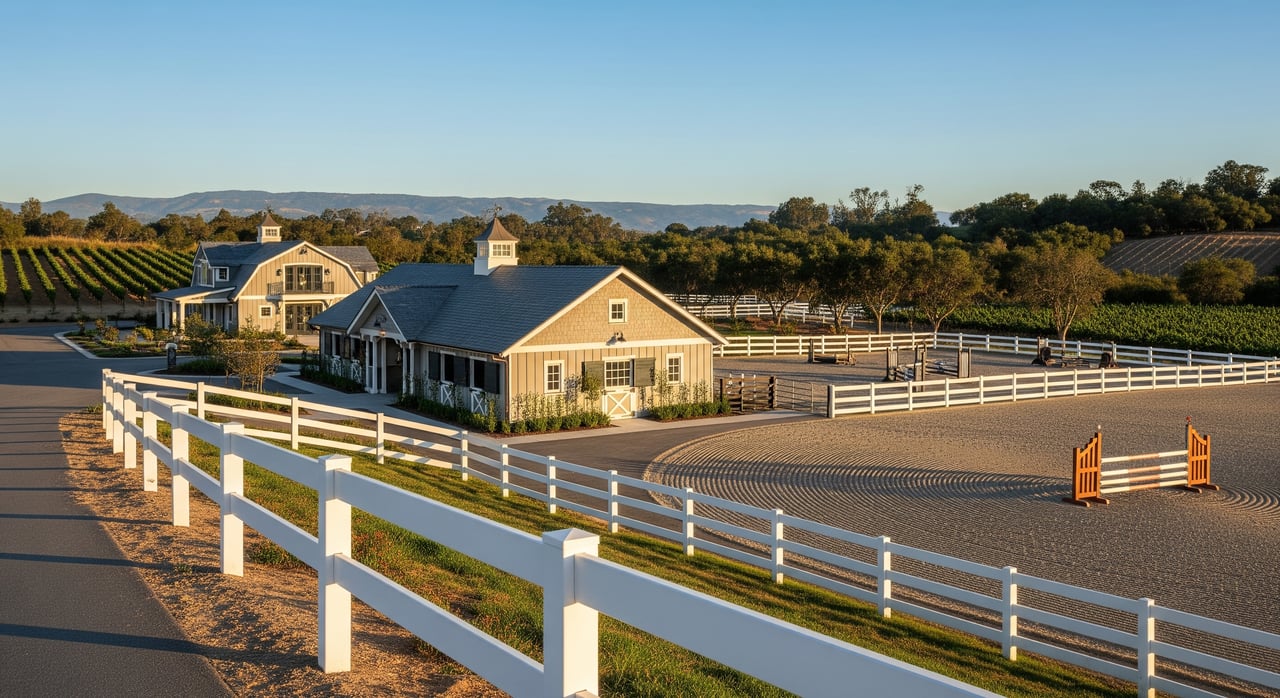
Thinking about moving your horses to Solvang and not sure what to check at showings? You’re not alone. The Santa Ynez Valley is a fantastic equestrian hub, but the climate, water, and wildfire realities are different from many metro areas. This guide gives you a simple, local checklist to use during tours and a due diligence plan to follow after you’re in escrow. Let’s dive in.
Why Solvang works for horses
Solvang sits in a Mediterranean climate with warm, dry summers and cooler, wetter winters. Pasture growth is seasonal, so you often supplement with hay and may need irrigation to support turnout. Expect different carrying capacity than wetter regions.
Water access and cost matter here. Drought cycles can affect well yield and irrigation, which impacts your budget and pasture plans. Reliable water and smart use are key.
Wildfire exposure exists in the surrounding hills and chaparral. Properties in higher-severity zones may face added mitigation steps and insurance impacts. You should budget time to evaluate defensible space and insurability.
Zoning supports equestrian uses on many agricultural and rural parcels. Even so, the number of animals, arena lights, new buildings, and any commercial activity will depend on county rules and possible CC&Rs. Verify before you commit to a use plan.
Local equine services are available, but you should confirm veterinarian, farrier, hauling, and hay supply options that fit your program. Response times may vary compared with urban areas.
Day-of-showings checklist
Use this section as your walkthrough guide. Take photos, measure where you can, and note any follow-up items.
Barns and stalls
- Stall size and layout: Look for about 10x10 to 12x12 for adult horses. Larger stalls may help for bigger breeds or foaling.
- Construction and flooring: Check wall integrity, smooth edges, secure latches, and safe doors. Inspect floors for drainage and cushion; hard, poorly drained floors can cause hoof issues.
- Roof and ventilation: Look for straight rafters, no leaks, and good airflow at the ridge and eaves. Stale air raises respiratory risk.
- Aisles and storage: Aisles should be wide and uncluttered. Confirm safe, dry, rodent‑resistant tack and feed storage, with hay stored separately from stalls for fire safety.
- Electrical and safety: Avoid exposed wiring and overloaded circuits. Confirm working lighting, accessible fire extinguishers, and clear exit routes.
Turnout and pasture
- Usable acreage: Estimate usable space per horse, not total parcel size. Plan to supplement with hay during dry periods.
- Drainage and slope: Walk paddocks for soggy spots, ruts, or erosion. Well‑drained areas reduce mud and hoof problems.
- Vegetation and condition: Note any poisonous plants or weeds. Overgrazed, bare zones will need rest or a sacrifice area.
- Shade and shelter: Confirm trees or structures for shade in summer and wind/rain protection in winter.
Arena and footing
- Surface and depth: Check consistency, cushion, and traction across the arena. Look for even depth and no deep or hard patches.
- Base and drainage: Ask how the base was built. A compacted base with proper drainage helps prevent boggy or rock‑hard conditions.
- Lighting and fencing: Verify safe fencing and any lighting. Also ask if lighting is permitted if not present.
Fencing and gates
- Type and condition: Note the fence style and overall safety. Look for broken boards, protruding nails or wire, and proper height.
- Electric system: If present, check visibility, tension, and energizer function.
- Gates and access: Confirm gate widths and hinge strength. You should move safely with horses and equipment.
- Boundaries and easements: Ask about shared fences, recorded easements, or boundary disputes.
Trailer access and maneuvering
- Driveway and grade: Steep, narrow, or loose surfaces can complicate towing. Check turning radii near entrances and barns.
- Gate width and clearance: Measure or record gate width. Watch for low branches or overhead lines.
- Parking and staging: Make sure there is room to park, turn around, and unload safely.
- Road restrictions: Note any local weight or width limits you may need to verify later.
Water and irrigation
- Source: Identify if water is municipal, private well, shared well, or an irrigation district.
- Well and plumbing: Ask for well yield history, pump age, and service records. Check hydrants, spigots, and automatic waterers.
- Storage and redundancy: Look for storage tanks or backup sources, which help in drought or outages.
- Irrigation setup: Confirm pasture or arena irrigation systems and any known seasonal limits.
Manure and runoff
- Storage location: Inspect how manure is contained and how far it is from wells or watercourses.
- Runoff flow: Look at paddocks and wash areas. Avoid setups where runoff goes straight to a creek or drain.
- Compost practice: Ask if composting is active and how it is managed to control flies and pathogens.
Utilities and septic
- Electrical capacity: Make sure service supports barn lighting, pumps, and any heaters or equipment.
- Septic system: Confirm the system serves the dwelling. Stable wash water should not go into the septic field.
- Wash areas: Ask where wash water drains and how waste is managed.
Health and biosecurity
- Pest control: Note fly pressure and what traps or practices are in place.
- Quarantine options: Identify a space to isolate new or sick horses if needed.
- Health history: Ask for any disclosure about recurring illnesses or parasite issues.
What to measure and ask
Bring a tape measure and your phone. Capture details now so you can compare properties later.
- Measure or note: Stall dimensions, aisle widths, arena size and footing depth, gate widths, driveway width and turning space, and distance from hay storage to stalls or living areas.
- Photograph: Stalls, doors and latches, arena surface up close, waterers, hydrants, fencing, gate hardware, manure storage, and any runoff areas.
- Ask for: Recent vet, farrier, and hay invoices to estimate ongoing costs. Well test results, water quality tests, and pump service. Barn maintenance history, manure hauling or compost routines, and any permits or notices.
- Drive the route: Tow or at least drive the route a trailer would take to check turns, narrow spots, bridges, and road conditions.
After offer: due diligence plan
Once your offer is accepted, stack your inspections and records review to avoid surprises.
Planning and zoning
Contact county planning to confirm the zoning, allowed animal numbers, setbacks, and any permit history for barns, arenas, and grading. Verify whether lights, new structures, or business uses require approvals. Check for any private CC&Rs.
Well and water quality
Order a licensed well pump test to confirm yield in gallons per minute and pump condition. Have a certified lab analyze water for bacteria, nitrates, and salinity. If there is a shared well, review the agreement and maintenance plan.
Structural and equine facility review
Hire a building inspector experienced with agricultural structures to evaluate the barn roof, framing, foundation, and electrical safety. Bring in an equine facility specialist or knowledgeable barn contractor to assess stalls, ventilation, footing, drainage, and hay storage safety.
Soil and drainage
If you plan an arena, paddock regrade, or new septic, consider a basic soil and drainage assessment. Good subgrade and drainage protect your footing and reduce erosion.
Fire and insurance
Request a wildfire risk assessment and speak with your insurer about coverage and premiums early. Evaluate defensible space around structures and confirm local requirements for vegetation management.
Title and easements
Have the title company search for recorded easements, rights‑of‑way, or conservation easements that could affect pasture, fencing, or future building.
Local service network
Compile contacts for daytime and emergency equine veterinarians, farriers, hay suppliers, feed and tack, manure haulers, and trailer transporters. Confirm coverage and typical response times.
Business use and permits
If you plan to board, train, or offer lessons, expect additional approvals. Commercial uses often require conditional use permits or business licenses. Large earthwork and arena projects may need grading permits and erosion control plans. Wastewater and runoff rules apply when manure or wash water could reach waterways. Confirm details with county planning and environmental health before you invest.
Fire safety essentials
Create and maintain defensible space around barns and homes, commonly up to 100 feet based on conditions. Choose fire‑resistant vent screens and keep gutters and roofs clear. Separate hay storage from stalls and living areas, and ventilate storage to reduce fire risk. Build an evacuation plan that matches your horse count and trailer capacity, and practice safe loading.
Insurance can vary based on location and mitigation. Get quotes during your inspection period, not after.
Right-size your acreage
Acreage per horse depends on forage quality, water, and management. In dry summers, you will supplement with hay and may need irrigation for turnout. Assess usable pasture, fencing, and water rather than relying on a simple acres‑per‑horse rule.
Your next step
With a clear checklist and a strong due diligence plan, you can move with confidence. If you want a local advocate who knows equestrian infrastructure, permitting, and service networks, connect with Dianna Zlaket for tailored guidance and property tours.
FAQs
How much land do I need per horse in Solvang?
- It varies by forage and irrigation. In a dry Mediterranean climate, expect to supplement with hay and focus on usable pasture, water access, and fencing rather than a strict acres‑per‑horse rule.
Do I need a private well for a horse property?
- Not always. Some properties use municipal or shared water. What matters is reliability, yield, and water quality. Always test and review records during due diligence.
What are safe stall and arena basics?
- Many buyers look for about 10x10 to 12x12 stalls for adult horses and a well‑drained arena with an appropriate base and consistent footing depth. Bring in an equine facility specialist for tailored needs.
Will I need permits to add an arena or barn?
- Often yes. Building and grading permits may apply, and commercial boarding usually triggers added approvals. Confirm with county planning early.
How should I handle manure on site?
- Options include scheduled hauling, properly managed on‑site composting, or a manure service. Keep manure away from wells and waterways and manage runoff to avoid pollution.
How serious is wildfire risk and insurance impact?
- Wildfire risk is real in the area and can affect mitigation requirements and premiums. Evaluate defensible space, construction details, and insurer willingness to cover the location during your inspection period.