Thinking about buying a vintage home or a ranch near Los Alamos? It can be an exciting move, but it also comes with questions you do not usually face in a newer neighborhood. If you want charm, land, and a strong sense of place, you also need to understand how age, infrastructure, and county rules can affect your purchase. This guide will help you sort through the key issues so you can move forward with more confidence. Let’s dive in.
Why Los Alamos draws lifestyle buyers
Los Alamos offers a different experience than a typical suburban market. In and around town, you may find older homes with historic character, rural properties with acreage, and ranch-style settings that appeal to buyers looking for space and a slower pace.
That variety is part of the appeal, but it also means no two properties are quite alike. A vintage home in town and a ranch outside town can involve very different questions about condition, access, utilities, and long-term upkeep.
Understand the local planning framework
One of the first things to know is that Los Alamos is an unincorporated community in northern Santa Barbara County. That means county planning rules shape many land-use, subdivision, and property-use questions, rather than a city zoning system.
Santa Barbara County also maintains a specific Los Alamos Community Plan. For buyers, that matters because future use, parcel questions, and site constraints may be tied to county-level review and standards.
Local utility context matters too. The Los Alamos Community Services District provides water treatment and distribution, along with wastewater collection and treatment, for about 550 water and wastewater connections.
What makes vintage homes unique
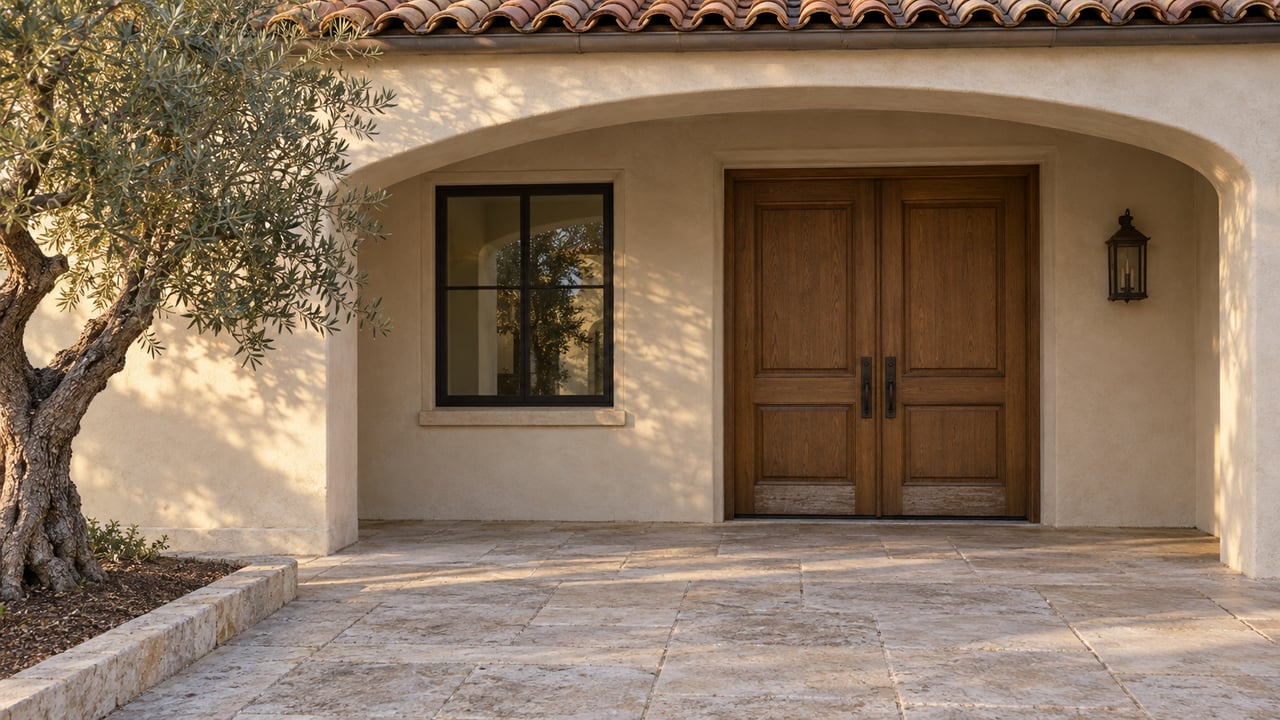
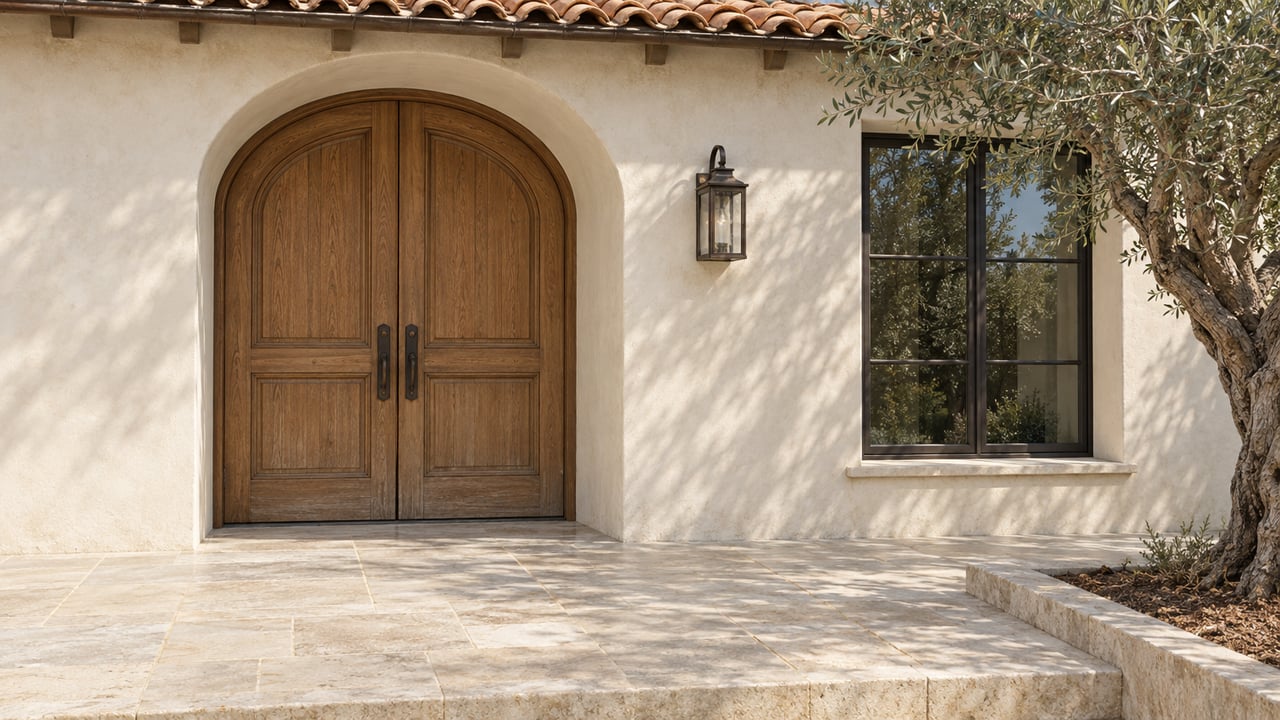
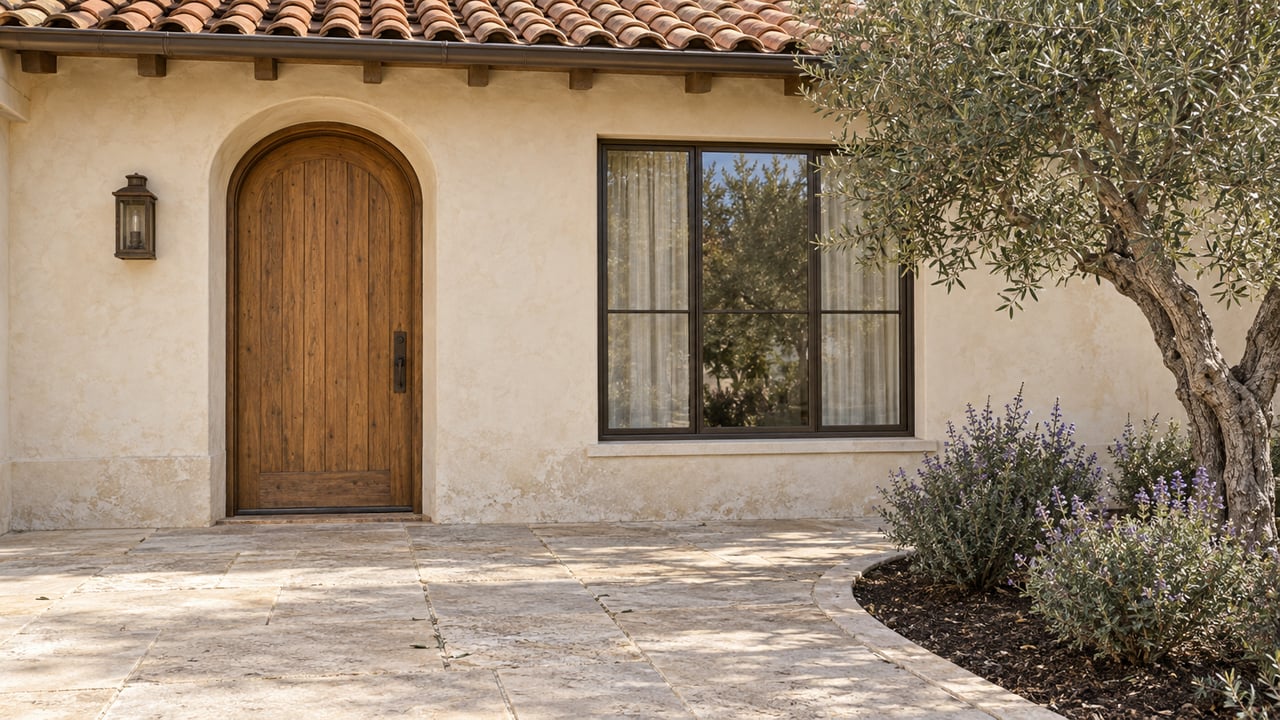
Older homes near Los Alamos often appeal to buyers who want architecture with personality. In the broader Santa Barbara region, common historic styles include Adobe, Craftsman, Folk Victorian, Queen Anne, Mission Revival, and Spanish Colonial Revival.
That regional mix helps explain why older Los Alamos properties may feel more individual than a standard tract home. Instead of a uniform building pattern, you may see homes shaped by different eras, materials, and remodel choices.
Los Alamos itself reflects a wide historical range. The Rancho Los Alamos adobe is described by the National Park Service as a traditional one-story adobe ranchhouse in an unaltered rural setting, while the Victorian Mansion at Los Alamos identifies its building as an 1864 Victorian.
For you as a buyer, that means age alone does not tell the whole story. The real questions are often about preservation condition, renovation history, and how well original features and newer updates work together.
How to research a vintage property
If you are considering an older home, research can uncover useful details before you commit. Santa Barbara Trust for Historic Preservation notes that Los Alamos Sanborn Fire Insurance maps survive for 1886 to 1909.
These maps can show construction type, water sources for fire protection, door and window placement, and fire-risk details such as gas lighting, fireplaces, stoves, and boilers. That kind of information can add context when you are trying to understand how a home evolved over time.
Other helpful records may include building permits, historic maps, city directories, and county Hall of Records files for ownership and construction history. For a buyer who values authenticity or wants to plan a careful remodel, this research can be very useful.
What to know about ranch properties
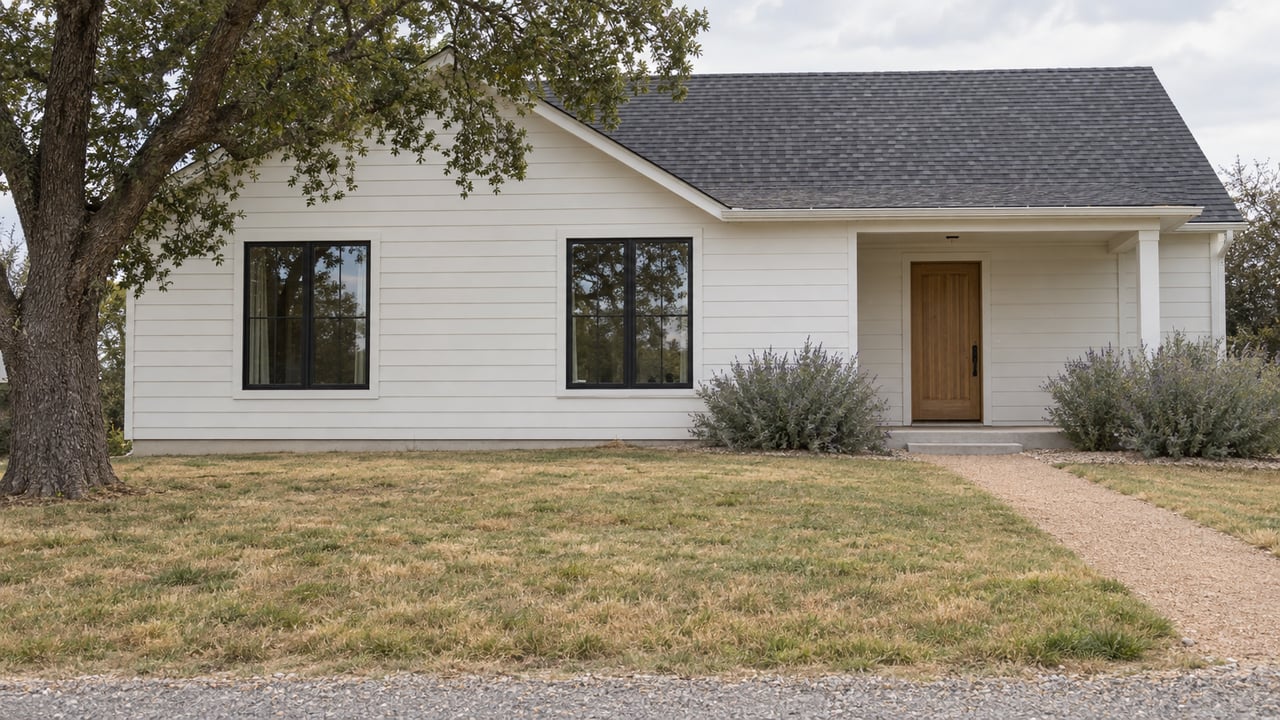
A ranch or ranchette near Los Alamos offers a very different ownership experience from an in-town home. The appeal is often easy to see: more land, more privacy, and more flexibility in how the property functions day to day.
At the same time, rural properties usually require deeper due diligence. In practice, the conversation often centers on site systems, access, outbuildings, drainage, and whether the property supports the way you want to use it.
Santa Barbara County subdivision rules place clear emphasis on drainage, fire access, water supply, and sewage disposal. The code also flags hazards from floods, fire, or other catastrophe, discourages lots with a depth-to-width ratio over 3:1, and flags subdivision designs that back up to watercourses.
County rules also state that road networks should provide fire access and evacuation routes, with water systems designed to support fire flow. For you, that means a beautiful rural setting should also be evaluated for practical access and safety.
Check water and wastewater early
Water service is one of the most important issues on a ranch property. Under county code, a parcel can be served by a district or company letter, or by a county-approved onsite or offsite well or shared system that meets Environmental Health requirements.
The county also warns that when lots are created without a community water system, private water supply development is at the purchaser’s risk and expense. That is a key point if you are looking at land or a more remote ranch setting.
Small water systems with fewer than 200 connections are reviewed by County Public Health. If a property is not on a larger public system, you will want a clear understanding of what serves the site and what ongoing responsibilities come with it.
Wastewater deserves the same level of attention. If a parcel is served by a private septic system, it must meet county permitting and installation requirements, including percolation tests.
County rules also allow limits on individual sewage systems where flooding, groundwater pollution, or unstable soils would create health or safety concerns. In practical terms, septic feasibility is not something you want to assume.
Look closely at access, slope, and drainage
On rural property, the land itself can shape how the property performs. Driveway access, topography, and drainage can affect convenience, maintenance, and future work on the site.
County subdivision rules highlight drainage and road design for good reason. A property may be scenic and still present challenges if roads are difficult to navigate, runoff is poorly managed, or access is limited during an emergency.
This is one reason ranch purchases often benefit from a slower, more careful review process. A property can be a strong fit, but only after you understand how the site functions in real-world conditions.
Plan for age-related inspections
If you are buying a vintage home, inspections should go beyond the usual checklist. Homes built before 1978 are more likely to have lead-based paint, and the EPA says renovation or repair that disturbs that paint can create dangerous dust.
The agency recommends testing before buying or renovating and using lead-safe certified firms when paint will be disturbed. EPA also notes that homes built before 1986 are more likely to have lead pipes, fixtures, or solder.
Asbestos is another important item in older homes. The EPA says the only sure way to know whether a material contains asbestos is laboratory testing, especially if the material is damaged or will be disturbed during renovation.
The agency specifically identifies floor tile, ceiling tile, shingles, and siding as common suspect materials. If you are planning updates, this is worth reviewing early so you can budget and plan responsibly.
Review hazard maps before you buy
Rural and older properties near Los Alamos can be affected by broader site and regional risks. Santa Barbara County’s Office of Emergency Management maintains maps for wildfire-related community hazard awareness, FEMA flood risk, and public-safety power shutoffs.
The county’s emergency pages also list wildfires, earthquakes, storms, power outages, drought, and other hazards. These are not just abstract concerns. They are practical due diligence items that can affect access, insurance planning, maintenance priorities, and your comfort level with a location.
Before you move forward on a property, it helps to review how the site fits into the surrounding hazard context. That is especially true for acreage, rural roads, and homes near natural drainage areas.
Budget for ownership beyond the purchase price
With vintage homes and ranch properties, the purchase price is only part of the story. Ownership costs may be shaped by the systems and conditions that come with the property.
Common added costs can include water testing or treatment, septic maintenance or repairs, lead-safe renovation work, asbestos-aware renovation planning, and access or drainage improvements needed to satisfy county standards. These expenses will not apply to every property, but they are worth keeping in mind.
The goal is not to avoid older or rural homes. It is to buy with your eyes open so the property you love also fits your budget, timeline, and comfort level.
A smart buying approach near Los Alamos
The best purchases in this area usually start with clear priorities. If you love architecture and history, a vintage home may be the right fit, but you will want to study condition and remodel history closely.
If you want acreage and a rural lifestyle, a ranch property may deliver that vision, but you should expect more investigation into utilities, access, drainage, and site systems. In both cases, careful due diligence helps protect your investment and your peace of mind.
Buying near Los Alamos is often about more than square footage. It is about finding a property that supports the way you want to live while respecting the realities of older construction and rural land.
If you are weighing a vintage home, a ranch, or a larger acreage property near Los Alamos, working with a local agent who understands the area’s housing mix and rural-property questions can make the process much smoother. When you are ready for tailored guidance, Dianna Zlaket can help you navigate the details with a thoughtful, high-touch approach.
FAQs
What should you research before buying a vintage home in Los Alamos?
- You should review available property history such as Sanborn Fire Insurance maps, building permits, historic maps, city directories, and county Hall of Records files to better understand construction and ownership history.
What county rules matter for ranch property near Los Alamos?
- Santa Barbara County rules emphasize drainage, fire access, water supply, sewage disposal, evacuation routes, and certain parcel design issues, so these are important parts of ranch due diligence.
What should you know about water service on rural property near Los Alamos?
- A parcel may be served by a district, company, approved well, or shared system, and the county states that private water supply development can be at the purchaser’s risk and expense when no community system exists.
What should you know about septic systems near Los Alamos?
- If a property uses a private septic system, it must meet county permitting and installation requirements, including percolation tests, and some sites may face limits due to flooding, groundwater pollution, or unstable soils.
What inspection concerns come with older homes near Los Alamos?
- Older homes may warrant added review for lead-based paint, older lead plumbing components, and asbestos in materials such as floor tile, ceiling tile, shingles, or siding.
Why should you check hazard maps before buying near Los Alamos?
- Santa Barbara County maintains hazard-awareness maps for wildfire concerns, flood risk, and public-safety power shutoffs, which can help you evaluate site risks before making a purchase.