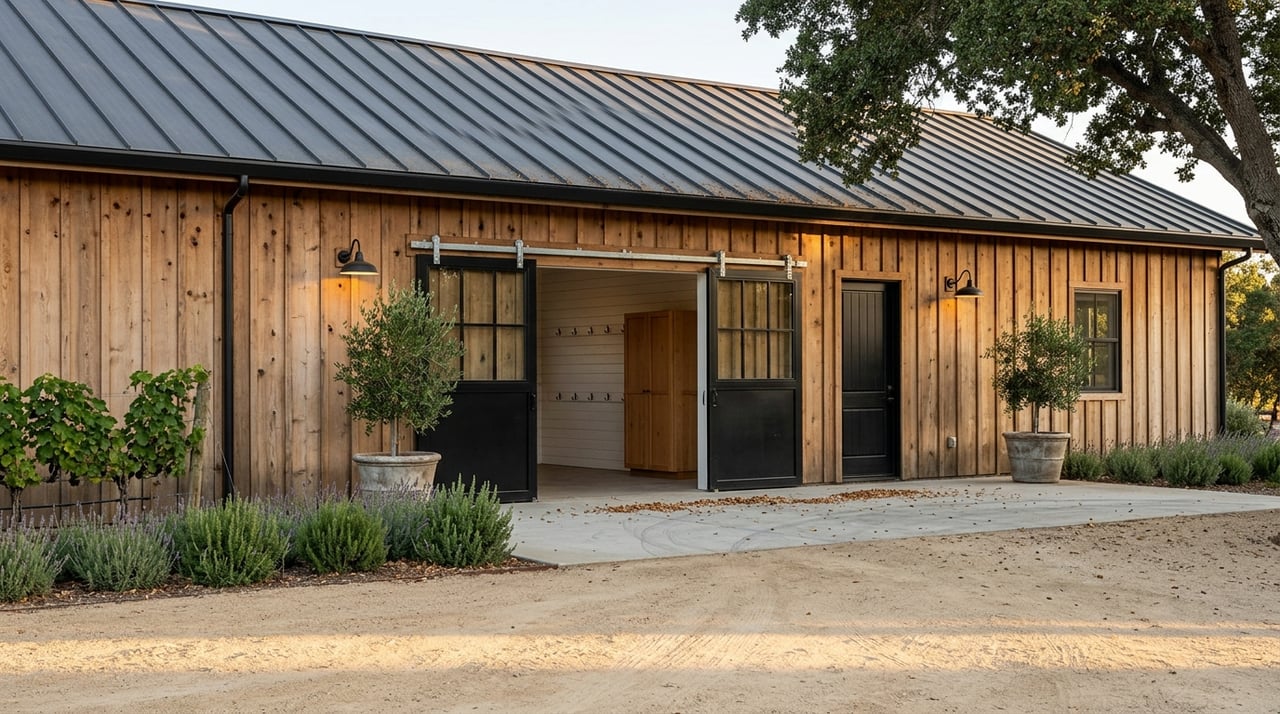
If you are selling a country or acreage home around Lompoc, you are not just marketing bedrooms and bathrooms. You are marketing land, access, infrastructure, and a lifestyle that buyers need to understand quickly. That can feel like a bigger job than selling an in-town home, but with the right prep and presentation, you can make your property far easier to evaluate and far more compelling online. Let’s dive in.
Why acreage homes need a different strategy
Country properties ask buyers to process more information than a typical residential listing. They want to know where the home sits on the land, how the driveway works, what parts of the parcel are usable, and which improvements are included.
That matters even more because most buyers begin online. In the 2025 Home Buyers and Sellers report, internet-using buyers said the most useful website features were photos, detailed property information, floor plans, virtual tours, videos, and interactive maps. For acreage homes, those tools do not just make a listing attractive. They make it understandable.
In Lompoc, strong presentation still matters. Realtor.com showed 128 homes for sale, a median listing price of $624,750, median days on market of 25 days, and a 100% sale-to-list ratio in March 2026, while describing the market as balanced. Even though that snapshot is not specific to acreage properties, it is a helpful reminder that pricing and marketing still influence results.
Start with visuals that explain the property
The best marketing for a country home helps buyers grasp the property at a glance. That means your visuals should explain the layout of the house, land, and outbuildings together.
Professional photography remains the foundation. Buyers consistently rank photos among the most useful listing features, so your image set should cover the home clearly and also show gates, fencing, driveways, barns, workshops, corrals, storage buildings, and outdoor gathering areas when those features are part of the property.
Use aerials to show the full picture
Aerial and drone images are especially valuable on larger parcels. They help buyers see the home’s placement, the shape of the land, access points, and how improvements relate to one another.
For a Lompoc-area acreage property, aerials can also help clarify what is open ground, what is fenced, and where major site features sit. That kind of visual context can answer questions before a buyer even schedules a showing.
Add floor plans and site maps
Floor plans help buyers understand the interior layout and how the home lives day to day. NAR guidance also notes that virtual tours often work best when paired with floor plans because buyers can better picture the space.
On acreage properties, that same logic extends outside. A simple parcel map or annotated site image can help show the driveway route, building locations, usable areas, and outdoor amenities in a way standard photos cannot.
Include tours that connect house and land
Virtual tours and video can help a buyer understand flow. Inside, they show room relationships and scale. Outside, they can help a buyer see how the house connects to patios, barns, arenas, workshops, or open land.
That is especially helpful for out-of-area buyers who may be comparing several rural properties at once. The clearer your presentation, the easier it is for them to keep your property at the top of the list.
Prepare the property before the camera arrives
Country homes often have more visual moving parts than suburban homes. A little prep can dramatically improve how the property reads in photos and during showings.
Before marketing begins, focus on the features that define value. Clean up driveway edges, gates, fencing, corrals, barns, workshops, irrigation equipment, storage buildings, and key view corridors so buyers can see the property’s function as well as its beauty.
Santa Barbara County landscaping guidance also emphasizes drought-tolerant planting, water-wise strategies, and fire-smart landscaping. That makes exterior cleanup about more than curb appeal. It also helps the property feel maintained, practical, and ready for buyer review.
Focus on function, not just beauty
Lifestyle matters in country-home marketing, but functionality closes information gaps. Buyers want to picture sunsets and privacy, but they also want to know whether the land feels usable and whether improvements appear organized and cared for.
That means your prep should highlight both emotional appeal and practical value. Show the setting, but also make fences, access routes, outdoor work areas, and supporting structures easy to understand.
Build a stronger pre-listing property file
Acreage buyers often ask more detailed questions, and they tend to ask them early. If you can answer those questions clearly, you reduce confusion and build confidence.
In the Lompoc area, Santa Barbara County tools are especially important because many country properties involve county zoning, permit history, and parcel-level records. The county’s Real Estate Services resources point property owners to zoning lookups, permit history by parcel, county surveyor maps, and zoning ordinances.
Verify zoning and permit history
Buyers may want to know whether barns, additions, fences, or other improvements were permitted. They may also want to understand what the property can legally support now, rather than relying on assumptions.
Getting that information organized before the listing goes live helps support your marketing with facts. It also helps separate what is verified from what is simply attractive in photos.
Gather septic and water information
On some acreage properties, utility questions are central to a buyer’s decision. Santa Barbara County Environmental Health notes that onsite wastewater treatment systems, commonly called septic systems, are used where a structure does not have access to public sewer.
That makes septic service records, well information, and other water-source documentation useful parts of the pre-listing package when available. Having those materials ready can make a property feel easier to evaluate.
Check hazard overlays early
California sellers must provide a Transfer Disclosure Statement and a Natural Hazard Disclosure Statement. The Natural Hazard Disclosure covers areas such as flood zones, dam inundation areas, very high fire hazard severity zones, wildland fire areas, earthquake fault zones, and seismic hazard zones.
Santa Barbara County also offers local hazard-awareness tools, including FEMA 100- and 500-year flood-risk maps, a Public Safety Power Shutoff map, and emergency-zone information. Reviewing these before marketing begins can help you verify what applies to the property and avoid surprises later.
Write listing copy with clarity and honesty
Great acreage marketing balances aspiration with accuracy. The copy should capture the feeling of the property while staying grounded in facts that buyers can verify.
That means describing features like privacy, open space, views, outdoor infrastructure, and room for permitted use with care. The strongest listing remarks do not oversell. They help buyers understand what is there, how it functions, and what records support it.
Explain the land in plain language
Do not assume buyers will interpret the parcel correctly from a few photos. Spell out the basics clearly, such as where the home sits, how access works, what structures are included, and which outdoor areas appear most usable.
That kind of clarity can improve both online engagement and showing quality. Buyers arrive better informed, and that often leads to more focused conversations.
Set expectations about rural surroundings
Santa Barbara County agricultural resources point to Right-to-Farm and the Agricultural Preserve Program, which is a useful reminder that country properties may be near active agricultural operations. Rural living can come with normal farm and ranch activity nearby.
Honest marketing should reflect that setting rather than pretending the property exists apart from it. Transparency helps attract buyers who appreciate the area and reduces the chance of mismatched expectations.
Tailor the marketing to Lompoc-area buyers
The Lompoc area draws buyers who may be looking for space, privacy, and a more flexible property setup than they can find in denser neighborhoods. That makes targeted marketing especially important.
Santa Barbara County notes that the unincorporated urban areas of the Lompoc Valley include Vandenberg Village, Mission Hills, and Mesa Oaks. For sellers with country or edge-of-town properties, location context matters because buyer expectations can shift based on whether a home is within the city, in the valley, or in unincorporated county area.
A polished marketing plan should help buyers understand not just the house, but the property’s setting within the broader Lompoc market. That is where local acreage expertise becomes especially valuable.
Why expert marketing matters
Selling a country property usually involves more moving parts than selling a standard home. You are often presenting structures, land use, access, utilities, and disclosures all at once.
That is why a targeted, high-touch approach can make a meaningful difference. With acreage, equestrian, and lifestyle properties, careful visuals, accurate property research, and thoughtful positioning are often what help a listing stand out for the right reasons.
If you are thinking about selling a country or acreage home around Lompoc, Dianna Zlaket can help you create a smart, property-specific marketing plan that highlights value, answers buyer questions early, and positions your home for strong exposure.
FAQs
What makes marketing a country home around Lompoc different from marketing a standard house?
- Country-home marketing needs to explain the land, access, outbuildings, utilities, and parcel layout, not just the home’s interior features.
What listing photos matter most for acreage properties in Lompoc?
- The most helpful visuals usually include professional still photos, aerial images, floor plans, and clear site or parcel views that show the relationship between the house and the land.
What property records should sellers gather before listing a Lompoc-area acreage home?
- Useful records often include zoning information, permit history, survey or parcel references, septic details, well or water documentation, and hazard-related information.
What hazard disclosures may affect a rural property near Lompoc?
- California disclosure forms may involve flood zones, dam inundation areas, very high fire hazard severity zones, wildland fire areas, earthquake fault zones, and seismic hazard zones.
Why is transparency important when selling acreage property in Santa Barbara County?
- Clear, factual marketing helps buyers understand rural realities such as agricultural activity nearby, utility setups, and site conditions, which can lead to more informed interest and smoother negotiations.