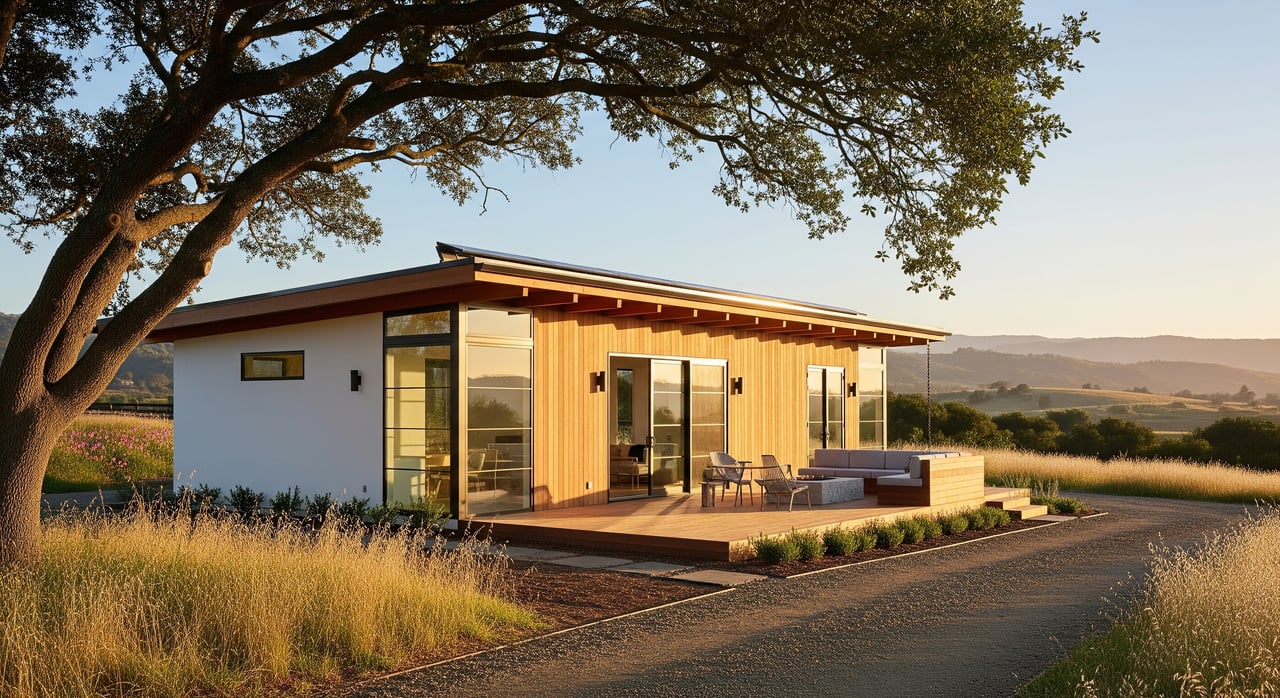
Thinking about adding an ADU on a rural parcel near Lompoc but unsure how the rules work outside city limits? You are not alone. State law is friendly to ADUs, yet rural realities like septic capacity, wells, private roads, and wildfire zones can make or break a project. In this guide, you will learn how California’s ADU law fits with Santa Barbara County’s standards, what agencies look for on rural lots, and the steps to move from idea to permit with fewer surprises. Let’s dive in.
What California ADU law means for you
California Government Code section 65852.2 sets a strong baseline that requires cities and counties to approve compliant ADUs through a ministerial process. In plain terms, if your ADU meets objective standards, the county cannot send you through discretionary review that effectively blocks it. This applies to most detached, attached, and junior ADUs.
Local agencies still apply objective standards. Santa Barbara County can enforce setbacks, height limits, design rules, parking where allowed, and health and safety requirements. The county can also apply stricter rules in specific situations that state law allows, such as high fire severity zones.
If state and local rules conflict, state law generally preempts local barriers that would undermine your right to build a compliant ADU. On rural parcels, that means the county can and will check septic, wells, access, and fire safety, but it cannot deny a qualifying ADU for arbitrary reasons.
How the county applies ADUs near Lompoc
Unincorporated parcels around Lompoc fall under Santa Barbara County rules. The Land Use and Development Code and county ADU standards implement state law locally. Because rural lots vary so much, the first step is verifying your parcel’s zoning and any overlay designations.
Zoning and overlays
Your parcel’s zoning and plan designation determine whether an ADU is an allowed accessory use and which objective standards apply. Rural residential, agricultural, open space, and similar categories each have different baselines. Some agricultural zones or properties under special contracts can add constraints to building placement and coverage.
Expect the county to verify setbacks, height, exterior materials, lot coverage, and parking. Environmental overlays also matter. Habitat areas, wetlands, and wildfire designations can trigger added standards or conditions.
Coastal Zone parcels
Parts of Santa Barbara County lie in the Coastal Zone. If your parcel is within that boundary, Coastal Development Permit requirements may apply. The ADU path can differ from inland parcels and may include additional review, even though state ADU law still applies.
Agricultural programs and contracts
If your land is in agriculture or subject to conservation or agricultural easements, including Williamson Act contracts, you may face placement or use restrictions for accessory structures. These do not necessarily block an ADU, but they can limit size, location, or require added steps.
Nonconforming lots or structures
Older rural properties sometimes have structures that do not meet current setbacks or have incomplete records. If a variance or corrective work is needed to bring the site into compliance before adding an ADU, that can add time and may trigger discretionary review for the underlying issue, separate from the ADU itself.
Utilities on rural parcels: what to expect
In the Lompoc-area countryside, many parcels rely on private wells and onsite septic systems. Adding an ADU increases daily water use and wastewater flow. County Environmental Health and, where applicable, your water provider will require proof that the systems can support another dwelling.
Septic requirements
Environmental Health will check your existing septic system’s type, tank capacity, and leach field sizing. You may need a septic evaluation, percolation testing, or a new engineered design if the current system is undersized. Upgrades are common and can include additional leach area or an aerobic system where soils demand it.
If your parcel connects to a public sewer, the sewer agency must confirm capacity and approve the connection. This is less common on rural lots but can streamline wastewater approvals when available.
Typical septic costs vary by site conditions. Small inspections can run a few hundred to a couple thousand dollars, while full replacement or a new system can range widely based on soils and system type.
Wells and water supply
For private wells, you will likely need to demonstrate adequate domestic water supply. That can include a flow and pressure test, documentation of well construction, and proof of potable water quality. If the well is marginal or additional supply is needed, drilling a new well requires permits and reporting to the proper agencies.
Where a public water system or mutual water company serves the parcel, you will work with the provider for service availability and any meter, connection, or capacity fees. Budget for these early.
Practical cost ranges
- Septic evaluation or minor repair: roughly $500 to $2,000.
- New or replacement septic system: roughly $15,000 to $60,000 plus, depending on soil and system type.
- Well drilling if needed: roughly $10,000 to $50,000 plus, depending on depth and geology.
- Public utility connection fees: vary by provider; include meter, connection, and capacity charges where applicable.
State law does not remove public health standards. You still must show adequate water and wastewater capacity. Plan for Environmental Health or your water provider to ask for documentation before building permits are issued.
Access and fire-safety essentials
Access and wildfire safety are major factors for rural ADUs. The county, Public Works, and the fire agency will review how you reach the site and how fire response can reach you.
Driveway and private road standards
You need legal vehicular access, often via a recorded easement for private roads. Expect review of driveway width, grade, turnouts, turnarounds, and sight distance. You may need improvements such as culverts, surface upgrades, or signage. Gated entries must meet fire agency requirements, including approved locking or Knox boxes.
Fire hazard zones and defensible space
Many rural parcels are in Very High Fire Hazard Severity Zones. In these areas, the fire agency can require specific construction details, defensible space, and water supply for firefighting. That can include wider driveways, vertical clearance, on-site storage tanks or hydrants, and ember-resistant features.
In some cases, sprinklers can be required for new residential units when local code allows. Fire clearance is typically part of the building permit submittal, and you should expect a site inspection with conditions to satisfy before final approval.
Other environmental overlays
Habitat, archaeological, and wetland constraints can apply in rural Santa Barbara County. These may require additional review or mitigation before an ADU is permitted. Early discovery helps you plan design and timelines.
Permit process and timeline
While each parcel is different, the county follows a ministerial review for compliant ADUs and coordinates checks with related agencies.
Pre-application checks
- Confirm zoning and overlays with Santa Barbara County Planning and Development. Ask whether your parcel qualifies for ministerial ADU review.
- Contact Environmental Health to understand septic and well submittals.
- Request a fire agency pre-check for access, driveway, and water supply needs.
Prepare your submittal
- Site plan mapping all structures, property lines, setbacks, septic, well, driveway, and easements.
- Floor plans and elevations for the ADU.
- Septic evaluation or engineered design and well capacity documentation.
- Fire clearance items or evidence of meeting access and water requirements.
Apply for ADU permits
- Submit to County Planning and Building. If you are in the Coastal Zone or an environmental overlay, confirm any extra permits, such as a Coastal Development Permit.
Agency review and conditions
- The county routes your plans to Environmental Health, Fire, Public Works, and water providers as needed. Expect comments tied to septic, water, access, and fire.
Permit issuance and construction
- When you meet conditions and pay fees, building permits are issued. Inspections follow during construction and before occupancy.
Typical timelines:
- Early checks with agencies: about 1 to 4 weeks.
- Ministerial review for a complete ADU application: often 30 to 60 days.
- Added time for septic or well upgrades, Coastal Zone, or environmental overlays: can extend the schedule by months.
- Construction: conversions about 2 to 4 months; detached new-build ADUs about 4 to 12 months, depending on size and site.
Quick feasibility checklist
- Verify zoning and whether the parcel lies in the Coastal Zone or other overlays.
- Order a septic inspection to confirm capacity or expansion area for a leach field.
- Test well flow and confirm water adequacy or plan for a new well if needed.
- Get a fire pre-application review for driveway width, turnouts, grades, and water supply.
- Confirm legal access and easement maintenance responsibilities for private roads.
- Map utility routes and budget for electric service extensions or transformer needs.
- Ask about water or sewer connection and capacity fees where public systems serve the area.
- Line up the right team: architect or designer, septic consultant, civil engineer, licensed contractor, and planning help for complex sites.
Who to contact first
- Santa Barbara County Planning and Development for zoning checks and ADU filing.
- Santa Barbara County Environmental Health Services for septic and well requirements.
- Santa Barbara County Fire Department or your local Fire Protection District for access and fire-safety standards.
- Santa Barbara County Public Works for driveway and encroachment standards on county roads.
- Your local water provider or mutual water company if the parcel is in a service area.
- California Department of Housing and Community Development for statewide ADU guidance.
- Cal Fire for Fire Hazard Severity Zone mapping.
Common pitfalls and how to avoid them
- Inadequate septic or no feasible expansion area. Solve early with an evaluation and concept design from a qualified septic professional.
- Marginal wells or limited water supply. Get a flow test and consult a well contractor before design and budgeting.
- Driveway grades, width, or private road conditions that do not meet fire or public works standards. Price improvements up front to avoid surprises.
- Coastal Zone or environmental overlays that introduce extra permits. Confirm early and adjust your timeline and design accordingly.
- High wildfire exposure that triggers costly mitigation. Plan for defensible space, water supply, and construction details appropriate for your zone.
Planning to buy a rural lot for an ADU?
If you are still shopping for land near Lompoc, build ADU feasibility into your due diligence. Ask for zoning and overlay details, request recent septic and well records, and review driveway grades and easements. A little homework up front can save months later.
If you want parcel-specific guidance, introductions to local consultants, or help weighing ADU potential against your budget and goals, connect with a local advisor who understands rural infrastructure and county processes. For tailored support rooted in the Santa Ynez Valley and Lompoc-area market, reach out to Dianna Zlaket. You will get clear next steps, local vendor referrals, and, if you are selling or repositioning, the option to Request a Free Home Valuation.
FAQs
Can you build an ADU on a rural septic and well parcel near Lompoc?
- Yes, if Environmental Health confirms adequate septic capacity and potable water, or if you complete required upgrades to meet health and safety standards.
Does state ADU law override county septic, water, or fire rules?
- No, state law prevents arbitrary denial of compliant ADUs but keeps local public health and safety standards in place, including septic, well, access, and fire requirements.
Are owner-occupancy rules required for ADUs in unincorporated Santa Barbara County?
- State law largely removed owner-occupancy requirements for most ADUs, but you should confirm current county code for any remaining or transitional rules.
Can you rent an ADU short-term in rural Santa Barbara County?
- Short-term rental rules depend on local ordinances; confirm current county regulations before planning for vacation or short-stay rentals.
How long does a rural ADU permit and build typically take?
- Straightforward ministerial reviews can take about 30 to 60 days after a complete submittal, while septic or well upgrades and special overlays can add months; construction varies from a few months for conversions to up to a year for new detached ADUs.