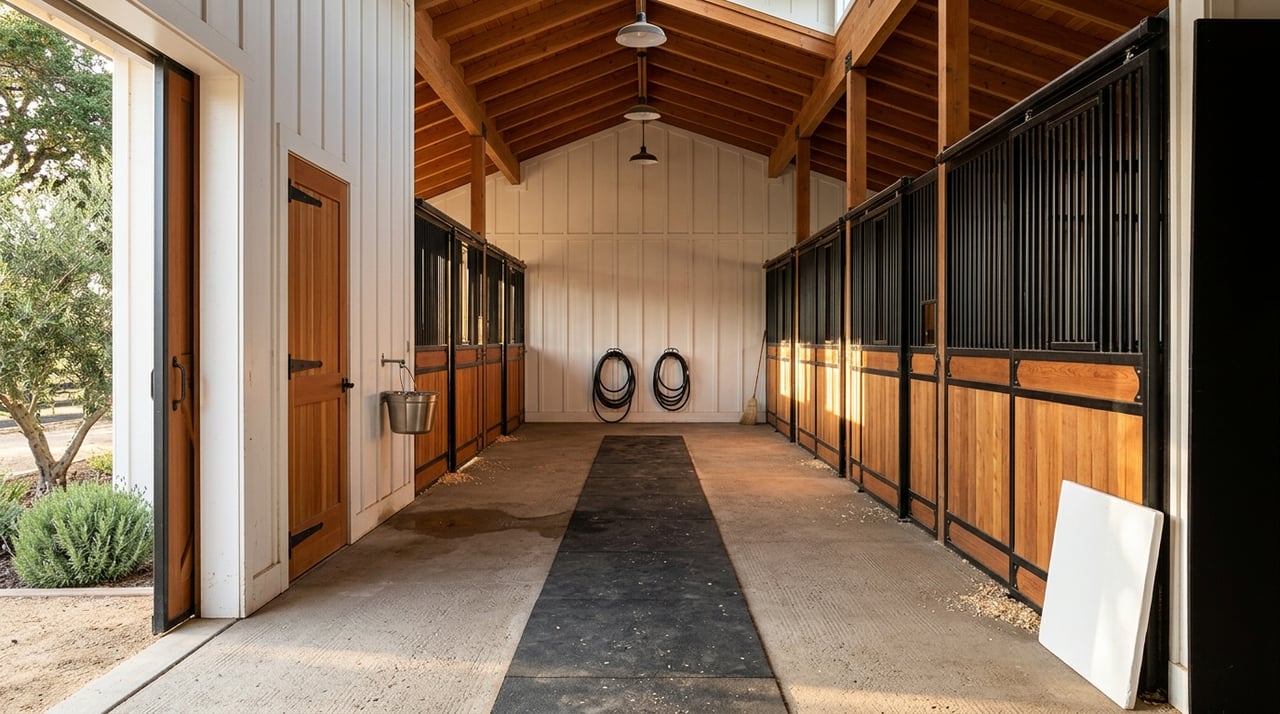
Thinking about selling your Santa Ynez horse property? In this market, buyers are not just looking at the house. They are also sizing up how the land works, how the horse setup flows, and how the property fits the Santa Ynez Valley lifestyle. If you prepare the right spaces before you list, you can make it easier for buyers to picture the full value of your property. Let’s dive in.
Why presentation matters in Santa Ynez
Santa Ynez Valley has a well-known pastoral and agricultural character, and county planning documents specifically recognize equestrian use as part of the area’s identity. That means buyers often view a horse property through two lenses at once: as a functional equestrian asset and as a lifestyle purchase.
That dual appeal makes preparation especially important. According to NAR’s 2025 staging survey, 83% of buyers’ agents said staging helped buyers visualize a future home, and many agents also reported faster sales and, in some cases, stronger offers. For a horse property, that same principle applies beyond the residence to barns, arenas, turnouts, access routes, and the overall feel of the land.
Start with a clean, simple property story
Before you think about photos or showings, focus on clarity. Buyers should be able to understand the property quickly, from the entrance drive to the barn layout to the usable outdoor spaces.
In practical terms, that means removing visual noise. Extra equipment, old materials, scattered supplies, and unfinished projects can make a capable horse property feel harder to evaluate. When you simplify the setting, you help buyers focus on what matters.
Clear out barns and tack areas
Barns and utility spaces should read as clean, functional, and easy to manage. Buyers want to see stall count, storage, and day-to-day workflow without having to look past piles of gear or overflow supplies.
Start with stall aisles, tack rooms, grooming areas, and feed storage. Remove anything you do not need for the next few months, organize what stays, and make sure each area has a clear purpose. A neat barn suggests the property has been cared for and is ready to use.
Simplify feed and storage zones
Utility spaces often say a lot about how a property has been maintained. If feed rooms, supply sheds, or storage bays feel crowded, buyers may assume there is less capacity than there really is.
Use this prep period to group like items together, discard what is outdated, and store tools neatly. The goal is not to make the property feel empty. The goal is to make it easy to read.
Refresh arenas, turnouts, and pasture edges
Horse buyers will pay attention to whether the outdoor spaces look maintained and usable. Even without making major changes, basic care can improve how these areas show.
Arenas and turnouts should have clean edges, visible upkeep, and no obvious debris. Pasture and turnout areas should feel intentional rather than forgotten. In Santa Ynez, where land and equestrian use are part of the broader lifestyle appeal, these details matter.
Make arenas look usable
If you have an arena, aim for a tidy, maintained appearance. Even footing, trimmed edges, and clean fence lines can help buyers understand the space as an active asset.
You do not need elaborate staging here. What matters most is that the arena looks safe, functional, and ready for use. A neglected-looking riding area can distract from the rest of the property.
Tidy turnouts and pasture frontage
UC ANR’s pasture guidance highlights the importance of site conditions, soil, drainage, forage, and water availability in irrigated pasture function. For sellers, a simple takeaway is that visibly cared-for pasture or turnout areas can signal usefulness, while rough edges can create doubt.
Mow visible edges, clean up dead material, and remove obvious weeds where appropriate. Roadside frontage and fence lines deserve attention too, because they shape a buyer’s first impression before they ever step out of the car.
Improve access and circulation
One of the easiest ways to strengthen a horse property’s appeal is to make movement through the property feel obvious and convenient. Buyers should be able to understand how trailers enter, where they park, and how horses and people move from one area to another.
That matters in the Santa Ynez Valley, where equestrian connectivity is part of the area’s identity in regional planning. Access is not just practical. It is part of the lifestyle story.
Open up driveways and gates
Driveways, gates, and turn-around areas should be easy to navigate and free of clutter. If a gate sticks, a trailer area is blocked, or circulation feels tight, buyers may see inconvenience where there could have been confidence.
Walk the route yourself as if you were arriving for the first time. Clear unnecessary obstacles, define parking areas, and make sure the approach to the barn and horse areas feels straightforward.
Make trailer access obvious
If your property has room for trailer parking or loading, make that easy to see. Buyers should not have to guess where a trailer fits or how it would move through the site.
A clean, open presentation helps buyers picture real use. It also helps your photos and marketing materials tell a more complete story.
Address fire-smart and land-care basics
In a rural sale, presentation and safety often overlap. Clean, well-managed land tends to look better and feel more reassuring to buyers.
If your residence is in a State Responsibility Area, California requires 100 feet of defensible space around homes. CAL FIRE also advises that the first 5 feet around the home, known as Zone 0, should be kept clear of dead weeds, grass, debris, and combustible clutter.
Focus on the first 100 feet
Before listing, review the area around the home and nearby structures with fresh eyes. Remove dead plant material, trim overgrowth, and clear combustible clutter where needed.
CAL FIRE also recommends moving firewood and lumber away from the immediate home area, relocating garbage and recycling containers, and using gravel or pavers instead of combustible mulch near the home. Local rules may be stricter, so it is smart to confirm what applies to your property.
Update visible landscaping
Santa Barbara County landscaping guidance emphasizes climate-appropriate, drought-tolerant, and fire-smart planting. If perimeter landscaping looks overgrown, dry, or high-maintenance, refreshing it can improve first impressions.
Often, simple changes do the job. Neater edges, lower-fuel planting choices, and a cleaner visual frame around the house and entry can make the whole property feel more cared for.
Prioritize photos that explain the property
Strong marketing starts before a buyer visits. NAR reports that photos, videos, and virtual tours are highly important to buyers, so your listing media needs to show not just beauty, but function.
For a Santa Ynez horse property, that means capturing the spaces that explain how the property works. Buyers should be able to understand the setup from the photo set alone.
Include the most important views
Your media should clearly show:
- Entrance approach
- Barn exterior and interior
- Arena
- Turnout areas
- Pasture
- Trailer access
- Views
- Privacy lines
These images help buyers connect the residence to the land and the horse facilities. They also support stronger showing quality, because buyers arrive with a better understanding of the property.
Match remarks to real features
Property remarks should highlight practical, visible strengths. That can include usable acreage, horse-flow, barn and arena setup, trailer access, and visible water or irrigation features if they are straightforward to present.
In Santa Ynez, it also helps to frame the property within the valley’s pastoral and equestrian setting. The key is to stay factual, specific, and easy to follow.
Follow a smart pre-listing timeline
Selling a horse property usually works best when you prepare in stages. Trying to do everything at once can feel overwhelming, especially on acreage.
A practical 6-to-18-month sequence, based on the research, looks like this:
- Reduce clutter and finish obvious repairs.
- Clean up pasture edges, drainage, and fire-smart landscaping.
- Stage the strongest equestrian spaces.
- Create a clear, complete photo set.
- Do one final access and safety pass before listing.
This kind of sequence helps you spread out the work and make thoughtful improvements. It also makes it easier to decide where your time and budget will have the biggest impact.
Focus on function, not perfection
You do not need to turn your horse property into something it is not. Most buyers are not looking for a staged fantasy. They are looking for a property that feels well cared for, easy to understand, and aligned with the Santa Ynez lifestyle.
That is why the best preparation often comes down to clear presentation. Clean lines, obvious utility, safe access, and strong visual storytelling can go a long way toward helping buyers see the value in what you already have.
When you are ready to position your Santa Ynez horse property for the market, working with a local specialist can help you decide which improvements are worth doing and how to present the property to the right audience. To start planning your next steps, connect with Dianna Zlaket.
FAQs
What should you clean first before selling a Santa Ynez horse property?
- Start with the most visible and functional areas: barn aisles, tack rooms, feed storage, grooming spaces, driveways, gates, and the areas around the home. Buyers need to understand how the property works right away.
How should you prepare barns and tack rooms for Santa Ynez buyers?
- Keep them clean, organized, and simple. Remove extra gear and clutter so buyers can clearly see stall count, storage, and workflow.
What outdoor areas matter most when listing a Santa Ynez horse property?
- Arenas, turnouts, pasture edges, fence lines, driveway access, trailer parking, and the entrance approach all matter. These spaces help buyers evaluate both function and lifestyle appeal.
Do fire-smart improvements matter when selling a rural Santa Ynez property?
- Yes. In applicable State Responsibility Areas, California requires 100 feet of defensible space around homes, and CAL FIRE recommends keeping the first 5 feet near the home clear of dead weeds, debris, and combustible materials.
What photos should a Santa Ynez horse property listing include?
- A strong listing should show the entrance, barn exterior and interior, arena, turnout areas, pasture, trailer access, views, and privacy lines so buyers can understand the property before visiting.
How far ahead should you start preparing a Santa Ynez horse property to sell?
- A practical timeline can range from 6 to 18 months, depending on the property. Start with decluttering and repairs, then move to land cleanup, staging, and final safety and access checks.